

Introduction
Insulin is an extraordinary hormone that plays a vital role in regulating blood sugar levels and maintaining overall health. Discovered almost a century ago, it has revolutionized the management of diabetes, a chronic condition affecting millions of people globally. While insulin is undeniably critical for managing diabetes, its significance extends well beyond this singular ailment. In this article, we will explore the complexities of insulin, its functions in the body, its significance in diabetes, and the latest advancements in insulin therapy.
The Discovery of Insulin

The story of insulin’s discovery is captivating and heartening. In the early 20th century, diabetes was a devastating disease with no effective treatment. Patients with diabetes often faced grim prospects, frequently succumbing to the complications of the ailment.
In 1921, a groundbreaking moment transpired when a team of researchers at the University of Toronto, led by Frederick Banting and Charles Best, made a historic breakthrough. They isolated a hormone produced by the pancreas capable of lowering blood sugar levels. This hormone was named insulin, derived from the Latin word “insula,” meaning island, as it was initially isolated from the islets of Langerhans in the pancreas.
Functions of Insulin

Insulin is a peptide hormone produced by beta cells in the pancreas. Its primary role is to regulate glucose (sugar) metabolism in the body. It acts as a key that unlocks cells, permitting them to absorb glucose from the bloodstream. Here are some of the crucial functions of insulin:
1. Glucose Uptake: Carbohydrates we consume are broken down into glucose, which enters the bloodstream. Insulin facilitates glucose uptake by cells, ensuring they have the energy required for proper functioning.
2. Liver Regulation: Insulin inhibits the liver’s production of glucose, preventing excess sugar release into the bloodstream, thereby maintaining stable blood sugar levels.
3. Storage of Excess Glucose: Insulin promotes the conversion of surplus glucose into glycogen, a stored form of glucose in the liver and muscles. When blood sugar levels drop, glycogen is converted back into glucose to provide energy.
4. Fat Storage: Insulin also plays a role in fat metabolism, encouraging the storage of excess calories as fat in adipose tissue, preventing their circulation in the bloodstream and subsequent elevation of blood sugar levels.
Insulin and Diabetes
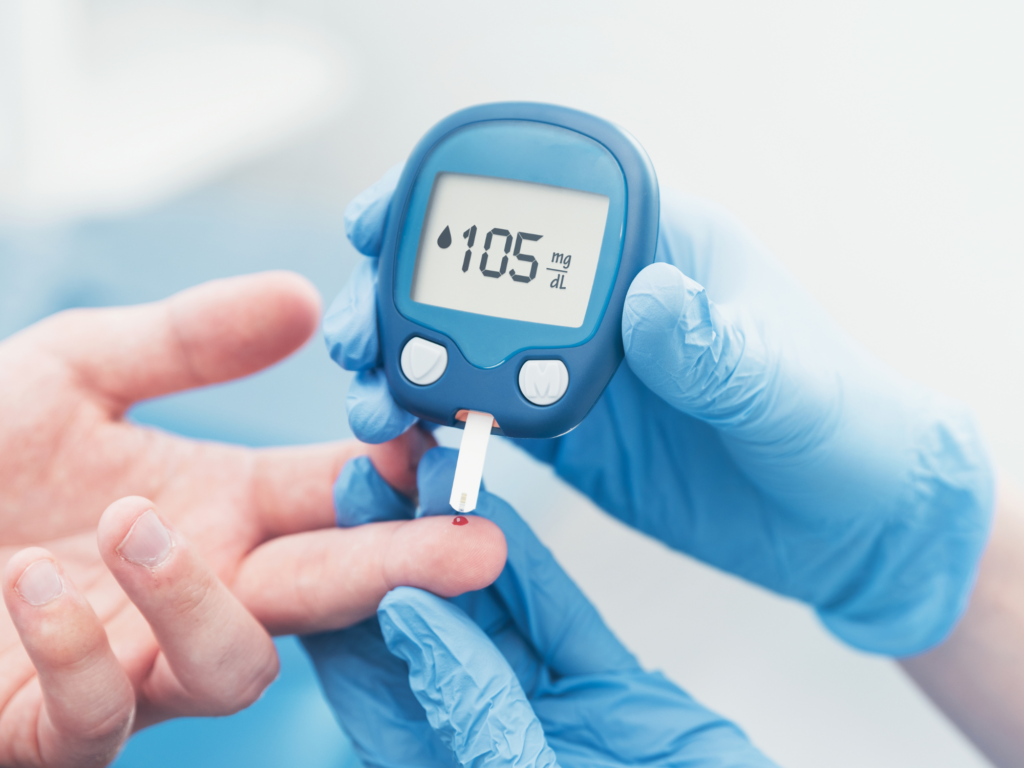
Diabetes is a chronic medical condition characterized by elevated blood sugar levels, stemming from either insufficient insulin production or the body’s inability to use insulin efficiently. There are two primary types of diabetes:
1. Type 1 Diabetes: This form of diabetes is typically diagnosed in childhood or adolescence and results from the immune system mistakenly attacking and destroying the pancreas’s beta cells. Individuals with Type 1 diabetes produce minimal to no insulin and require lifelong insulin therapy for survival.
2. Type 2 Diabetes: Type 2 diabetes usually develops in adulthood and is marked by insulin resistance, where the body’s cells respond ineffectively to insulin. Initially, the pancreas compensates by producing more insulin, but over time, it may become incapable of meeting the body’s demands. Lifestyle modifications, including dietary changes and exercise, are often recommended, with medications or insulin therapy being necessary in some cases.
Insulin Therapy

Insulin therapy is a fundamental component of the treatment for individuals with Type 1 diabetes and may be required for those with Type 2 diabetes when other treatments prove inadequate. The objective of insulin therapy is to replicate the body’s natural insulin production, effectively regulating blood sugar levels.
Several types of insulin are available, each with distinctive characteristics:
1. Rapid-Acting Insulin: This insulin type acts quickly to reduce blood sugar levels after meals and is frequently used in combination with longer-acting insulin.
2. Short-Acting Insulin: Similar to rapid-acting insulin but with a slightly slower onset and extended duration of action.
3. Intermediate-Acting Insulin: This insulin variety has a more prolonged duration of action, typically covering blood sugar levels between meals and overnight.
4. Long-Acting Insulin: Long-acting insulin delivers insulin slowly and consistently, aiding in maintaining stable blood sugar levels between meals and overnight.
5. Ultra-Long-Acting Insulin: The latest addition to insulin therapy, ultra-long-acting insulin, provides an even more extended duration of action, enabling once-daily dosing.
Insulin therapy is administered through injections using insulin pens, syringes, or insulin pumps, which offer more continuous insulin delivery. Advances in insulin delivery methods have simplified diabetes management for individuals with the condition.
Challenges and Advances in Insulin Therapy

Despite the life-saving nature of insulin therapy, challenges are associated with its use. One significant challenge is achieving precise control over blood sugar levels, as excessive or insufficient insulin can lead to complications. Hypoglycemia (low blood sugar) and hyperglycemia (high blood sugar) are both risks that individuals with diabetes must manage.
However, research and innovation in insulin therapy have led to several groundbreaking developments:
1. Continuous Glucose Monitoring (CGM): CGM devices continuously measure glucose levels, providing real-time data that facilitates better adjustments of insulin doses and enhances blood sugar control.
2. Artificial Pancreas Systems: These systems integrate insulin pumps and CGM technology to automatically adjust insulin delivery based on real-time glucose readings, reducing the burden of diabetes management.
3. Insulin Analogues: These modified forms of insulin possess faster or slower action profiles, closely mimicking natural insulin secretion and allowing for more flexible dosing.
4. Smart Insulin Pens: These devices record insulin doses, provide reminders, and synchronize with mobile apps, helping individuals track their insulin usage and monitor blood sugar levels.
5. Closed-Loop Insulin Delivery: Ongoing research into fully automated closed-loop systems, often referred to as “artificial pancreases,” offers hope for even more precise and convenient blood sugar control.
Conclusion of Insulin

Insulin is a life-saving hormone that has transformed the lives of millions of people with diabetes. Its discovery marked a turning point in the treatment of this chronic condition, enabling individuals to lead healthier and more fulfilling lives. With ongoing research and technological advancements, the future of insulin therapy holds even more promise, moving us closer to more precise and automated methods of managing blood sugar levels. As we continue to unlock the secrets of insulin, we take one step nearer to a world where diabetes is more effectively managed and, perhaps one day, even cured.
You can Also Read Our Previous Blog on : Discovering Stevia: A Natural Sweetener with Health Benefits