
Introduction
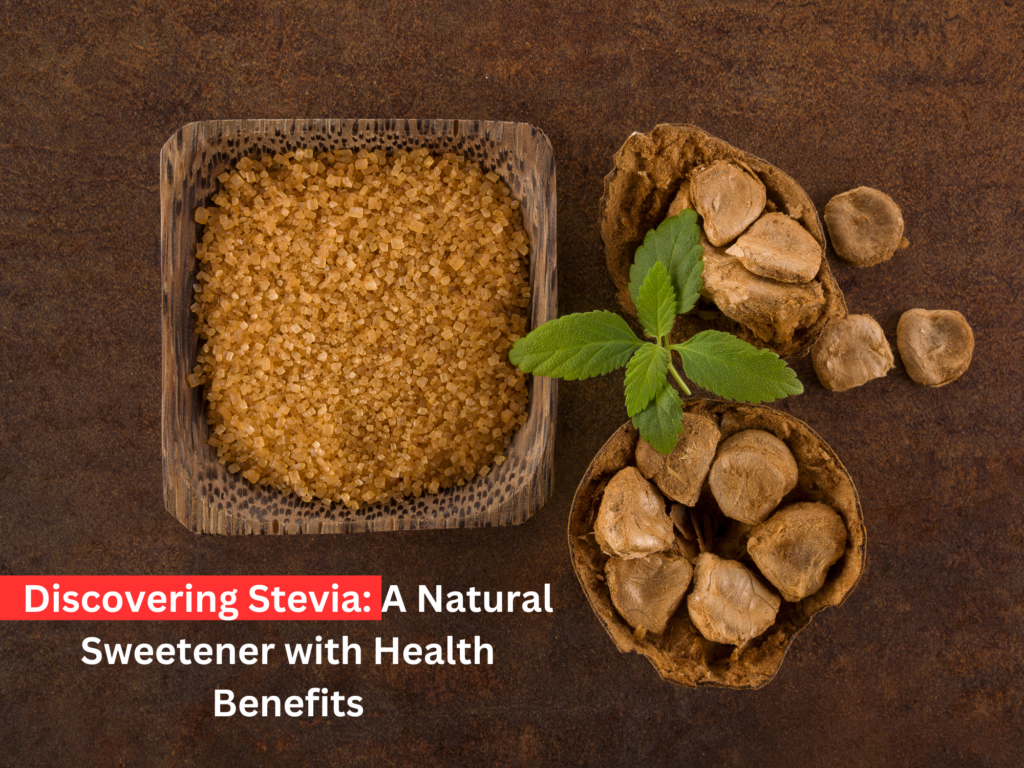
Discovering Stevia : In the pursuit of healthier alternatives to refined sugar, stevia has risen to prominence as a leading contender. Derived from the leaves of the Stevia rebaudiana plant, this natural sweetener offers a delightful taste without the caloric burden associated with traditional sugar. With its 0 glycemic index and potential health advantages, stevia has gained widespread recognition as a numero uno substitute for sugar. This article aims to delve into the origins, benefits, applications, and considerations surrounding stevia as a viable option for sweetening.
Origins of Discovering Stevia

Native to South America, specifically Paraguay and Brazil, Stevia rebaudiana has been utilized by indigenous communities for centuries due to its natural sweetening properties. The leaves of the plant contain compounds known as steviol glycosides. There are more than 40 Steviol Glycosides have been identified eg. {Reb AA,B,C,D,E,F… and Steviosides A,D,&E but the sides which are used as a sweetener are Steviol Glycosides and Rebaudiana A and these are responsible for the intense sweetness of stevia.
These glycosides are extracted, processed, and transformed into various forms of stevia sweeteners, including liquid, powder, and granules. The most important thing is that it is been extracted using water method which is completely natural and the structure of stevia remains intact in short what there is in leaves is what you will get in the bottle of stevia completely untouched and unaltered structure which actually makes stevia safe and safe to use for us without any adverse effect .
The Sweetness of Stevia

One of the most remarkable attributes of stevia is its exceptional sweetness. Stevia extracts are estimated to be up to 300 times sweeter than sucrose (common table sugar), necessitating only minuscule amounts to achieve the desired level of sweetness in recipes this can be understood by a simple comparison of sugar and stevia.
5 gram of sugar sweetness can be easily achieved by just adding 1 micro-spoon of stevia which is almost about 0.5 gram. This potency enables individuals to relish the sweetness they crave while simultaneously curbing caloric and sugar intake.
Health Benefits of Stevia or Sweetener
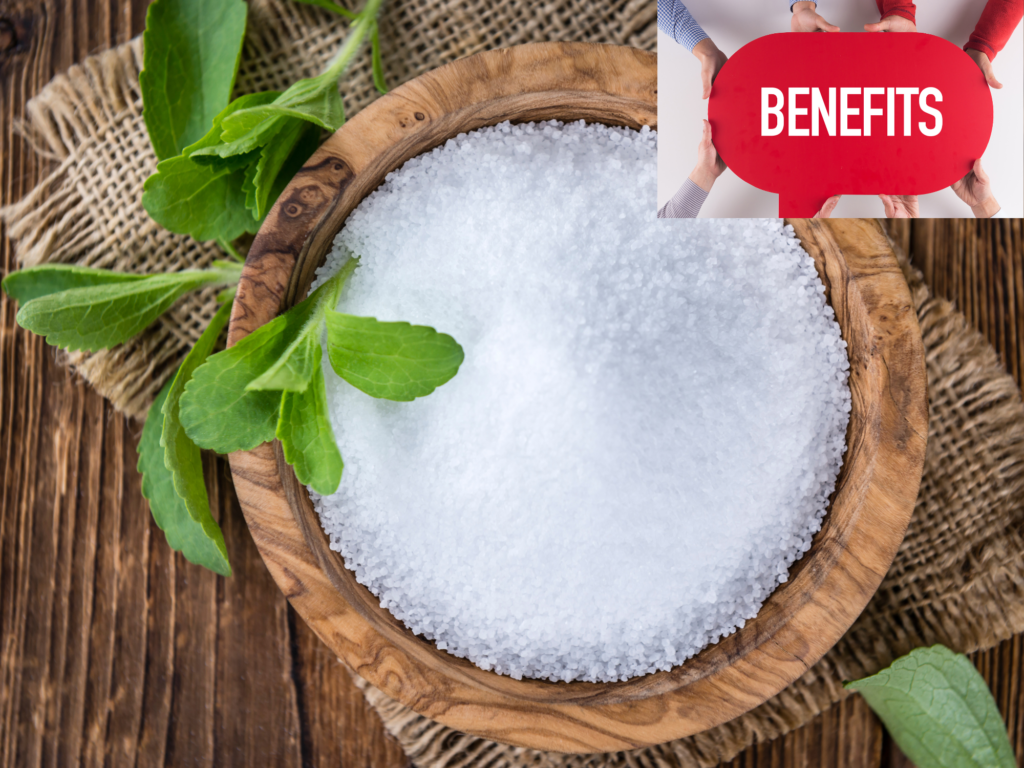
1. Low-Calorie Alternative: The virtual absence of calories in stevia makes it an appealing choice for individuals aiming to manage their weight or cut down on calorie consumption.
2. Diabetes Management: Stevia has minimal impact on blood sugar levels, rendering it a viable substitute for people with diabetes or those striving to stabilize their blood sugar.
3. Dental Health: In contrast to sugar, which contributes to tooth decay, stevia does not encourage cavities and dental problems, as it does not provide sustenance for oral bacteria.
4. Antioxidant Properties: Some research indicates that specific compounds Apigenin & Quercetin present in stevia may exhibit antioxidant and anti-inflammatory properties, potentially conferring protection against oxidative stress and chronic ailments.
5. Blood Pressure Regulation: Preliminary evidence suggests that steviol glycosides could have a mild blood pressure-lowering effect, although further research is indispensable to comprehensively ascertain this potential benefit.
Utilizing Stevia
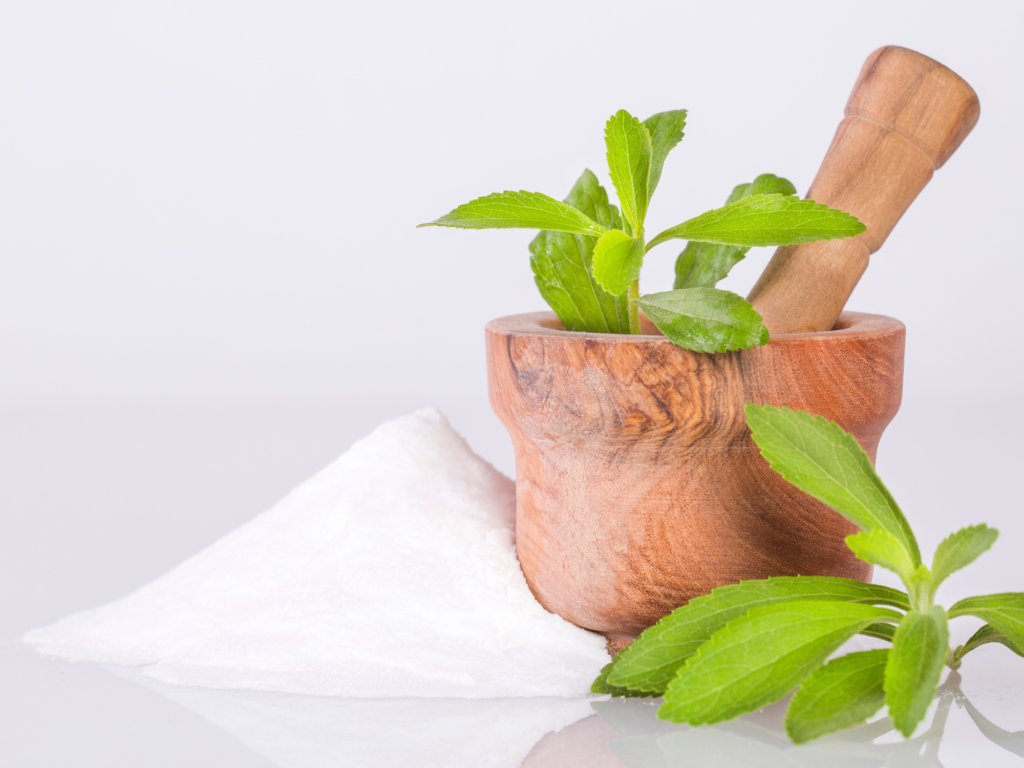
1. Cooking and Baking: Stevia can effectively replace sugar in cooking and baking endeavors. However, its intense sweetness mandates careful usage to prevent distorting the texture and flavor of the final product.
Generally stevia when in its natural and solo form should nt be added to hot items or while cooking as it may destroy the taste and product hence must be dded after the cooking is done but if stevia is added with Erythritol then it can easily become all purpose sweetener and can be used while cooking or baking as Erythritol give this efficiency to stevia
2. Beverages: A preferred choice for sweetening beverages such as tea, coffee, and smoothies, stevia’s liquid form is particularly convenient for this purpose.
3. Condiments and Dressings: Adding stevia to homemade condiments, dressings, and sauces enhances flavor without introducing unnecessary calories.
4. Desserts: From puddings to ice creams, stevia can be harnessed to concoct delectable desserts with diminished sugar content.
Considerations When Employing Stevia
1. Aftertaste: Some individuals may detect a subtle aftertaste when using stevia, which can fluctuate based on the brand and type. Experimentation with diverse brands and forms can facilitate the discovery of a suitable option.
This aftertaste also persists in those type of stevia which only have Steviosides as their sweetening agent or molecules but if a stevia is having only Rebaudiana A as the sweetening molecule than this will not deliver any aftertaste post consumption. One gets comfortable with the aftertaste within a month
2. Baking Challenges: Baking with stevia poses challenges due to its heightened sweetness and lack of bulk. Combining it with other natural sweeteners like Erythritol or employing recipes tailored to stevia can yield superior outcomes.
- Individual Reactions: Similar to any dietary element, individual reactions to stevia can vary. Certain individuals might experience digestive discomfort with substantial consumption, underscoring the importance of moderation.
Conclusion

Stevia’s ascension as a natural sweetener underscores the escalating demand for healthier alternatives to conventional sugar. With its minimal impact on blood sugar, negligible calorie content, and potential health merits, stevia stands as an encouraging choice for those striving to curtail their sugar intake. Nevertheless, it is imperative to remain attentive to individual preferences, potential aftertastes, and baking considerations.
By embracing stevia in moderation and exploring its adaptability in cooking and baking, individuals can relish the sweetness while nurturing their health and well-being. Some people also ask that we are not diabetic why should we consume stevia but let me ask you a question “ What is the best option: To choose an efficient option early as possible or delay it and wait to be diagnosed with disease and compromise with your quality of iife” the choice is yours. I guess prevention is better than cure and we have been listening to this statement since a long time and this is very much true.
Including stevia in your daily eating habits and making it a part of your lifestyle will only going to benefit you and will keep you haelthy. As we all know “A HEALTHY MIND RESIDES IN A HEALTHY BODY” so take your call.
You can Also Read Our Previous Blog on : Plant-Based Diet Power: Crafting a Nutrient – Rich Vegetarian or Vegan Diet