
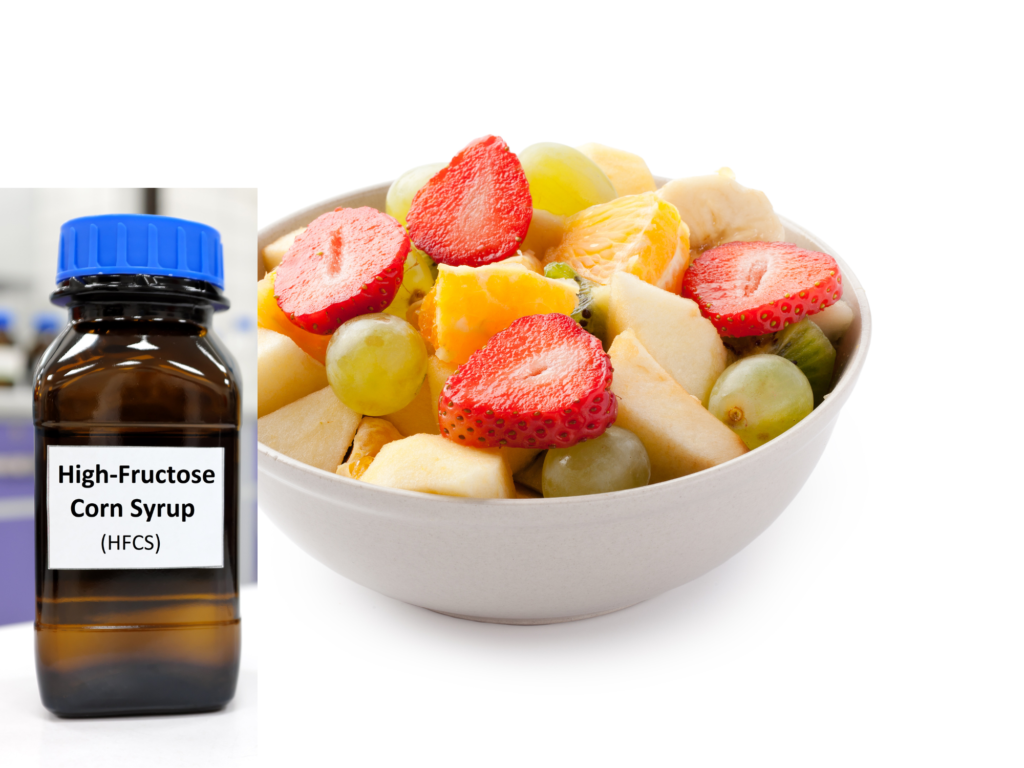
Introduction
Fructose Association With Non Alcoholic Fatt liver: In recent times, the worldwide prevalence of non-alcoholic fatty liver disease (NAFLD) has surged, presenting a substantial public health challenge. NAFLD is characterized by the accumulation of fat within liver cells, leading to inflammation and potential long-term health complications.
Among the multitude of factors implicated in NAFLD’s development, dietary fructose has emerged as a focal point of interest for researchers and healthcare professionals. This article aims to delve into the intricate relationship between non-alcoholic fatty liver and fructose consumption, elucidating the mechanisms that underlie this connection and the implications it holds for individual health.
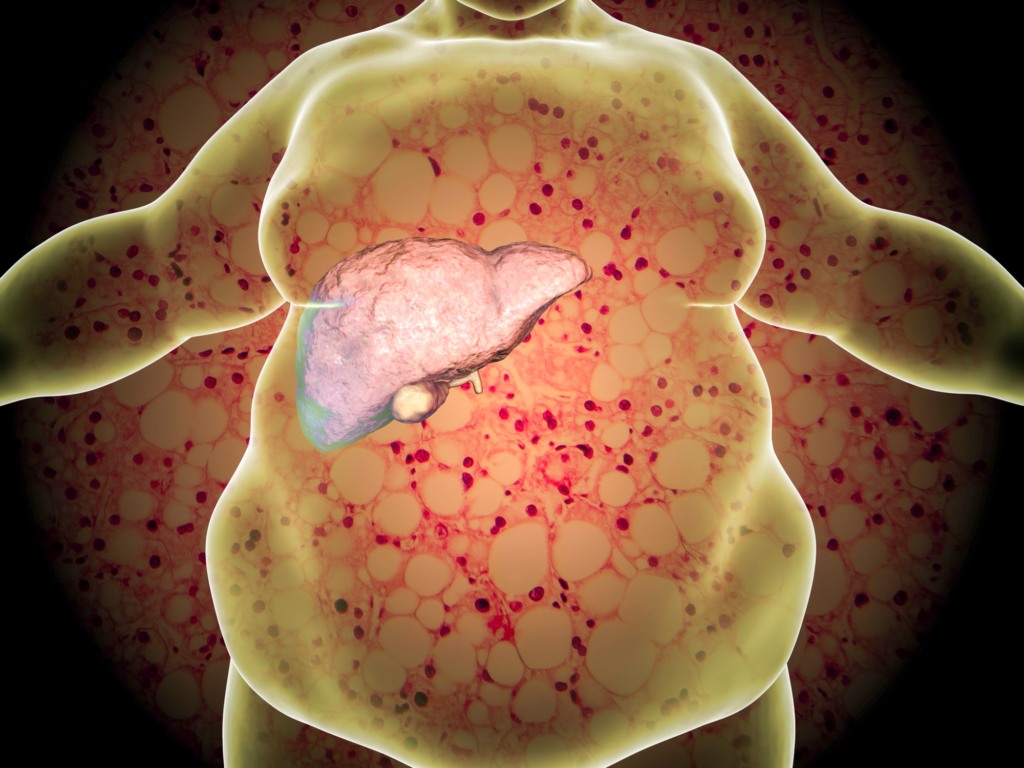
Understanding Non-Alcoholic Fatty Liver Disease (NAFLD)
Non-alcoholic fatty liver disease encompasses a spectrum of conditions, ranging from simple steatosis (fat buildup) to more severe forms like non-alcoholic steatohepatitis (NASH) and cirrhosis. Unlike alcoholic liver disease, NAFLD arises in individuals who consume minimal to no alcohol.
Instead, it is frequently linked to factors such as obesity, insulin resistance, and metabolic syndrome. A key feature of NAFLD is the excessive accumulation of triglycerides within hepatocytes, the primary cells of the liver. This lipid buildup can trigger inflammation, oxidative stress, and ultimately, the progression to more severe liver ailments.
The Role of Fructose Association in NAFLD
Fructose is a natural sugar present in fruits and vegetables and is commonly used to sweeten various foods and beverages. It undergoes distinct metabolic pathways compared to glucose, another major sugar, primarily taking place in the liver.
Research has suggested that overconsumption of fructose may contribute to NAFLD development due to its unique metabolic processes and its potential to overwhelm the liver’s processing capacity.
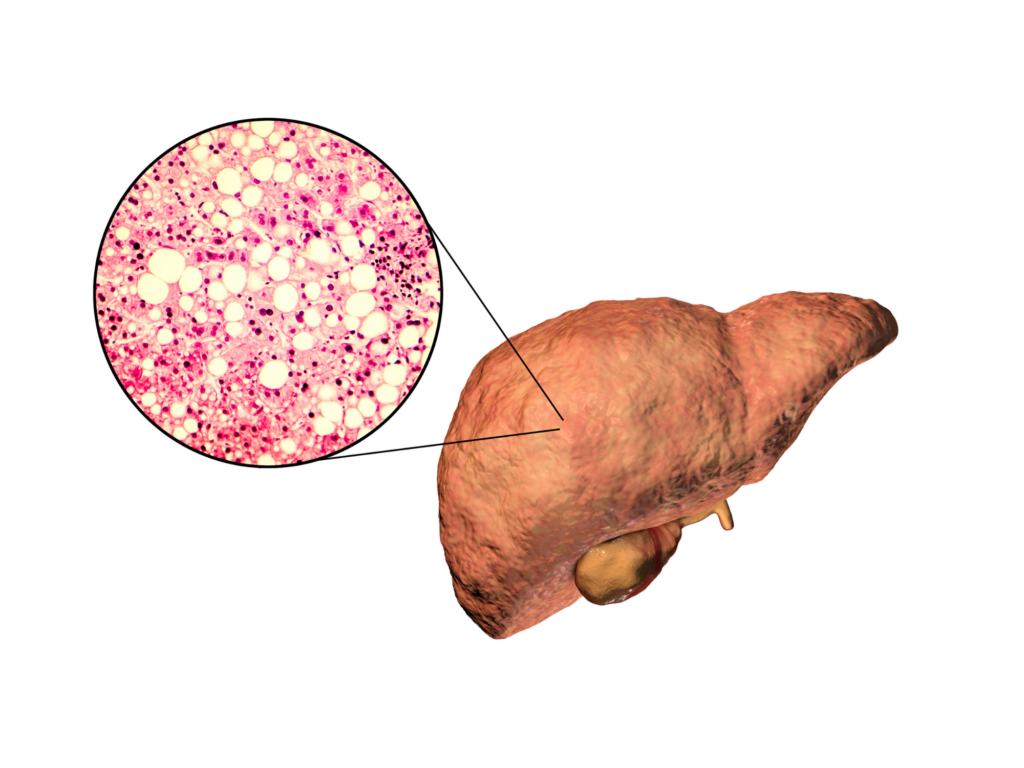
1. De Novo Lipogenesis (DNL): A pivotal link between fructose and NAFLD is de novo lipogenesis, a process by which the liver converts excess carbohydrates into fat. Fructose is efficiently converted into fatty acids and triglycerides within the liver, which can amass as fat droplets. Unlike glucose, primarily utilized for cellular energy, fructose is more inclined to be stored as fat, fostering the accumulation of fat in the liver.
2. Insulin Resistance: High fructose intake has also been associated with insulin resistance, a condition wherein the body’s cells become less responsive to insulin’s effects, a hormone vital for blood sugar regulation. Insulin resistance can lead to elevated blood sugar levels and heightened insulin release, thereby promoting fat storage within the liver.
3. Elevated Blood Lipids: Consumption of fructose has been correlated with heightened levels of triglycerides and LDL cholesterol (commonly referred to as “bad” cholesterol) in the bloodstream. Elevated blood lipid levels can contribute to liver fat accumulation and subsequent inflammation.
4. Gut Microbiota Alterations: Emerging research suggests that excessive fructose consumption may influence the gut microbiota composition, potentially exacerbating NAFLD development through the gut-liver axis.
Balancing Fructose Consumption
While the link between fructose consumption and NAFLD becomes more apparent, it is essential to recognize that moderate fructose intake from whole fruits is generally considered safe and may even offer health benefits due to fiber, vitamins, and antioxidants present. The true concern lies in the excessive consumption of added sugars, commonly found in sugary beverages, processed foods, and desserts.

To mitigate the risk of NAFLD and promote overall liver health, individuals should consider the following strategies:
1. Mindful Consumption: Exercise caution with added sugars in the diet and scrutinize food labels to identify sources of high fructose content.
2. Whole Foods: Prioritize whole fruits over fruit juices or processed foods to ensure a healthier balance of nutrients and fiber.
3. Balanced Diet: Embrace a well-balanced diet rich in whole grains, lean proteins, healthy fats, and a diverse range of vegetables and fruits.
4. Portion Control: Pay attention to portion sizes to avoid excessive consumption of high-fructose foods.
Conclusion
The escalating prevalence of non-alcoholic fatty liver disease necessitates a comprehensive comprehension of its underlying causes. Dietary factors, particularly excessive fructose consumption, have been identified as significant contributors.
By making informed dietary choices and adopting a lifestyle that emphasizes moderation and balance, individuals can significantly diminish their risk of NAFLD development and safeguard their liver health.
It is imperative for healthcare practitioners, policymakers, and individuals to collaborate in heightening awareness regarding the impact of dietary fructose and implementing strategies to address the escalating NAFLD crisis.

Non-alcoholic fatty liver disease (NAFLD) is a medical condition characterized by the accumulation of excess fat within the liver, occurring in individuals who consume minimal to no alcohol. This condition is closely intertwined with obesity, insulin resistance, and metabolic syndrome. One noteworthy dietary element that has been linked to the emergence of NAFLD is the excessive consumption of fructose.
Fructose, a natural sugar present in fruits and honey, also serves as a sweetening ingredient in various processed foods and beverages, often in the form of high fructose corn syrup (HFCS). Several studies propose that immoderate fructose intake might contribute to the development and progression of NAFLD through a range of mechanisms:

1. Lipogenesis: Unlike glucose, which undergoes metabolic processes in diverse tissues, fructose is primarily metabolized in the liver. Overconsumption of fructose can prompt augmented production of fatty acids within the liver (a process known as de novo lipogenesis), consequently leading to the accumulation of fat.
2. Insulin Resistance: Elevated fructose consumption has been correlated with insulin resistance, a pivotal factor in the genesis of NAFLD. Insulin resistance hampers the liver’s capacity to regulate glucose and fat metabolism.
3. Enhanced Fat Storage: Fructose consumption may elevate the storage of fat in the liver, resulting in hepatic steatosis—a condition characterized by excessive fat buildup. This condition can advance to more severe stages of NAFLD, including non-alcoholic steatohepatitis (NASH) and fibrosis.
4. Inflammation: Excessive fructose intake has been associated with heightened inflammation within the liver, thereby potentially accelerating the progression of NAFLD.
5. Impact on Gut Microbiota: Certain research implies that fructose consumption could potentially influence the composition of gut microbiota, subsequently impacting liver health and metabolic processes.
It’s crucial to acknowledge that while evidence suggests a connection between excessive fructose consumption and NAFLD, this relationship is intricate, necessitating further research to comprehensively comprehend the underlying mechanisms. Additionally, NAFLD is a multifaceted condition influenced by a range of genetic, dietary, and lifestyle factors.
Should you be seeking a specific article concerning this subject, I recommend conducting searches on scientific databases such as PubMed or Google Scholar using pertinent keywords like “fructose and NAFLD.” This approach can help locate pertinent research papers and articles.
Always bear in mind that if you have health-related concerns, seeking guidance from a medical professional is paramount for personalized advice and recommendations.
You can Also Read Our Previous Blog on : How Much Water You Should Drink During Exercise!