

Do you Know How Much Water You Should Drink During Exercise : Water is often considered under the category of macronutrients as this is also consumed >10 grams per day but people argue that it is not a macronutrient some do consider it as macronutrient. Every macronutrient is considered to provide energy directly but water does not provide any energy directly but it does help the body to produce energy indirectly. Human body is majorly made up of water up to 60 – 70% hence it is important to give the body what it is made up of that too n the adequate quantum. Water serves many important physiological functions.
Sustaining adequate hydration during physical activity is pivotal for enhancing performance, safeguarding overall well-being, and mitigating the risk of dehydration. Water, an indispensable nutrient, assumes a pivotal role in regulating body temperature, nutrient transport, and diverse physiological functions. Water is a fundamental component of our bodies, and its role becomes even more critical when we engage in physical activity.The quantum of water required during exercise, however, is a matter of considerable importance. This article delves into the significance of hydration during exercise and provides comprehensive guidelines for establishing personalized hydration targets to keep your body performing at its best.
Hydration assumes heightened importance during exercise as the body expels water through perspiration, which serves as the primary mechanism for cooling down. In a state of dehydration, the body’s capacity to regulate temperature becomes compromised, resulting in overheating and potential impairment of physical performance. During exercise, the body loses water through sweat, and if this loss is not replenished, it can lead to dehydration, which can adversely affect performance and even pose health risks. Even mild dehydration can culminate in diminished physical and cognitive capabilities, underscoring the necessity of replenishing lost fluids during exercise.
Factors Influencing Hydration Requirements
Numerous factors exert influence over individual hydration requirements during exercise:
1. Intensity and Duration: The intensity and duration of a workout directly correlate with the extent of perspiration and subsequent fluid loss “The more intense and prolonged your workout is, the more you’ll sweat and lose fluids”. Activities characterized by high intensity and prolonged durations necessitate heightened fluid consumption.

2. Environmental Conditions: Environments characterized by elevated temperatures and humidity intensify fluid loss due to increased sweating. Adjusting fluid intake in accordance with prevailing weather conditions is imperative.
3. Body Dimensions and Composition: Individuals with larger body sizes are inclined to perspire more profusely and might require amplified fluid intake to maintain optimal hydration. Furthermore, heightened muscle mass can escalate heat production and fluid expulsion.

- Fitness Level: Well-trained athletes often manifest heightened perspiration rates, possibly warranting a relatively lower fluid intake compared to less conditioned counterparts.
- Pre-existing Health Conditions: Certain medical conditions, like kidney problems or diabetes, can impact how your body regulates fluids. Consult a healthcare professional for personalized hydration recommendations if you have underlying health concerns.
Guidelines for Hydration
While a universal formula for determining exercise-induced fluid requirements remains elusive, the following general guidelines can steer optimal hydration:
1. Pre-Exercise Hydration: Commence your workout in a hydrated state by consuming approximately 16-20 ounces (475-590 ml) of water 2-3 hours prior to exercise. This preemptive approach aids in embarking on the workout well-hydrated.
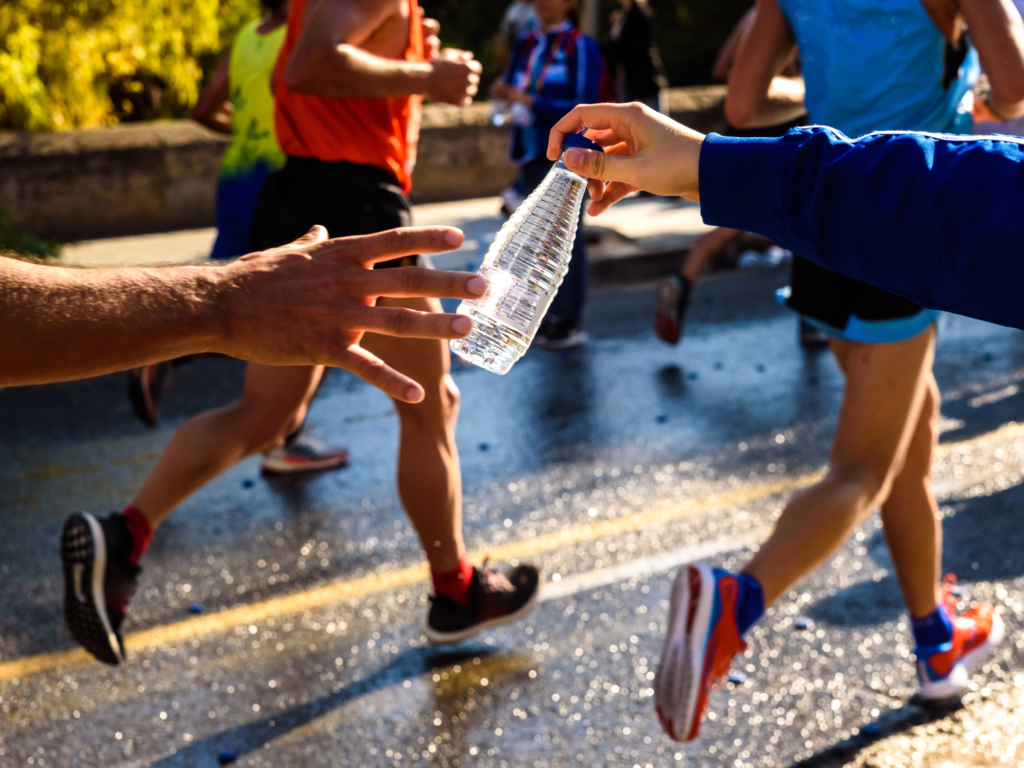
2. During Exercise: Strive to consume roughly 7-10 ounces (210-295 ml) of water every 10-20 minutes during exercise. Personalizing fluid intake based on perspiration rates and exercise intensity is recommended. For protracted workouts (exceeding one hour), contemplate the incorporation of electrolyte-laden sports drinks to replenish sodium and other minerals lost through perspiration.
3. Post-Exercise Hydration: Subsequent to the workout, persist in consuming fluids to counteract fluid depletion incurred during exercise. Monitoring pre and post-exercise body weight can provide insight into fluid loss, guiding the replenishment process. Consume approximately 16-20 ounces (475-590 ml) of water for every pound lost.

- Listen to Your Body: Attending to signals of thirst and evaluating urine color are key indicators. Pale yellow urine signifies adequate hydration, whereas dark yellow hues indicate dehydration. Apart from evaluating the urine colour there is other way out. As mentioned above we must rely on our body’s signal and that is “thirst”. there is a thirst hormone in the body called “ Anti Diuretic Hormone” ADH. Whenever you get the signal of thirst do consume water never ignore your thirst as if you will do so then your body’s understanding of thirst will reduce and you may most of the time remain dehydrated.
5. Electrolyte Balance: Along with water, you may need to replenish electrolytes (sodium, potassium, magnesium, etc.) lost through sweat, especially during prolonged or intense exercise. Consider consuming sports drinks or electrolyte-rich foods to maintain the proper balance.
Conclusion

Safeguarding appropriate hydration during exercise is pivotal for augmenting performance, forestalling dehydration, and endorsing holistic well-being. While guidelines serve as a rudimentary framework, individualized adjustments based on distinct factors and environmental circumstances are imperative. Striking a harmonious balance that satiates bodily requirements without overindulgence is paramount, underscoring the significance of prioritizing hydration. By doing so, you pave the way for a successful fitness journey, empowering you to achieve peak performance during each workout session. Hydration is a critical component of a successful exercise routine. Properly maintaining fluid balance before, during, and after exercise ensures optimal performance, supports recovery, and safeguards your overall health. Remember that individual hydration needs can vary, so it’s important to listen to your body and adjust your fluid intake accordingly. By staying mindful of the factors influencing your hydration requirements and following the guidelines mentioned in this article, you’ll be well on your way to achieving your fitness goals while keeping your body properly hydrated.
You can Also Read Our Previous Blog on : The Vital Role of Protein in Weight Loss: A Key Ingredient for Success