

Introduction
The journey to Role of Protein in weight loss is often met with various challenges and misconceptions, leaving many individuals searching for effective strategies to shed unwanted pounds. Among the myriad of options, one crucial aspect that frequently takes center stage is protein. Protein is an essential macronutrient that plays a fundamental role in facilitating weight loss and promoting overall health.
In this article, we will explore why protein is indispensable in the pursuit of weight loss and the numerous benefits it offers. In the quest for achieving a healthier body and losing excess fat, understanding the significance of proper nutrition is paramount. Among the essential macronutrients, protein stands out as a key player in the fat loss journey. With its numerous benefits and profound impact on metabolism, muscle preservation, and satiety, protein deserves a spotlight in any effective weight loss strategy. This article will delve into the reasons why protein is indispensable in the pursuit of shedding unwanted pounds and attaining a leaner, more toned physique.
Understanding Protein and Its Importance
Protein is one of the three major macronutrients, alongside carbohydrates and fats, that our bodies require to function optimally. Unlike fats and carbohydrates, which are stored for future energy use, protein is not stored in the body until and unless it is consumed in excess leading to the creation of fat. Consequently, it is essential to ensure a regular intake of protein through our daily diet.
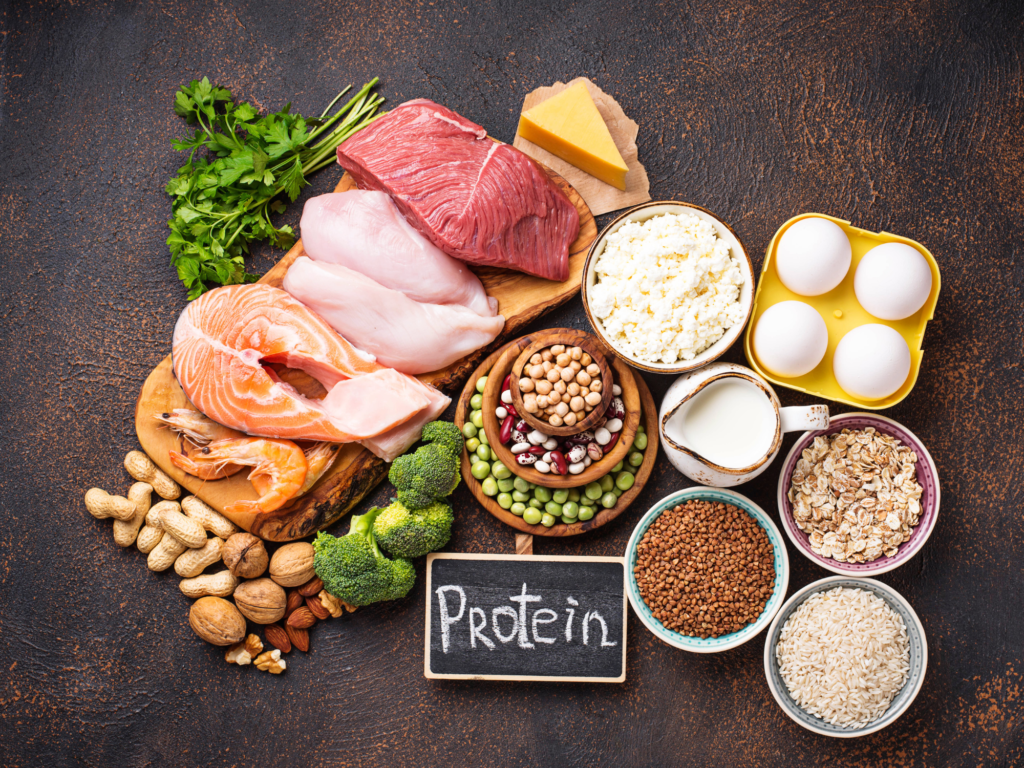
The primary building blocks of protein are amino acids, which serve as the foundation for various bodily functions. These amino acids are essential for repairing tissues, supporting the immune system, and producing enzymes and hormones. Moreover, they play a critical role in preserving and developing lean muscle mass, which is a key factor in achieving successful and sustainable weight loss.
Satiety and Appetite Regulation
One of the most compelling reasons why protein is vital for weight loss is its impact on satiety and appetite regulation. Protein-rich foods tend to be more filling and satisfying than other macronutrients, leading to reduced feelings of hunger and cravings. Consuming protein induces a greater sense of fullness, which helps control the urge to overeat or snack between meals.
Research has shown that protein affects hunger-regulating hormones, such as ghrelin and peptide YY, leading to improved appetite control. By increasing feelings of fullness and satiety, protein consumption can naturally decrease overall calorie intake, facilitating a caloric deficit essential for weight loss.
Thermic Effect of Protein
Another fascinating aspect of protein’s role in weight loss lies in its Thermic effect. The Thermic effect of food (TEF) refers to the energy expenditure required to digest, absorb, and process the nutrients in our diet. The Thermic Effect of Food (TEF) accounts for approximately 20-30% of the total calories burned during digestion, with protein having the highest TEF. This means that a significant portion of the calories obtained from protein is utilized during the digestive process itself.
By consuming a protein-rich diet, individuals can boost their metabolic rate, leading to increased calorie burning. The body expends more energy to digest and utilize protein, further contributing to the overall calorie deficit necessary for effective weight loss.
Preserving Lean Muscle Mass

One of the primary concerns during weight loss is the potential loss of lean muscle mass along with fat. Muscle tissue is metabolically active, meaning it burns calories even at rest. Preserving lean muscle mass is essential for maintaining a healthy metabolism and preventing the dreaded weight loss plateau.
Adequate protein intake supports muscle preservation during weight loss, ensuring that the body predominantly targets fat stores for energy. By engaging in regular exercise, particularly resistance training, individuals can enhance the synergistic effect of protein intake, fostering muscle retention and facilitating a more efficient weight loss process. Preserving muscle mass is vital for achieving a toned appearance and keeping the metabolism optimally functioning.
Nutrient Partitioning:
When following a fat loss program, the goal is not merely losing weight but also improving body composition. Protein plays a crucial role in nutrient partitioning, which refers to how calories are distributed within the body. A diet higher in protein is associated with an increased percentage of weight loss from fat, while preserving lean body mass. This means that a protein-rich diet is more effective in targeting fat stores and improving body composition.
Satiety and Appetite Regulation:
Protein-rich foods are highly satiating and can help control appetite. Research suggests that a high-protein diet can increase the feeling of fullness, leading to reduced overall calorie intake. By keeping hunger at bay and curbing mindless snacking, protein aids in adhering to a calorie-restricted diet, which is crucial for fat loss. Additionally, protein promotes the secretion of satiety hormones, such as peptide YY (PYY) and glucagon-like peptide-1 (GLP-1), further assisting in appetite regulation.
Energy Expenditure and Physical Activity:

Adequate protein intake can positively impact physical activity levels. Protein helps with muscle recovery after exercise, allowing individuals to perform better during subsequent workouts. Increased physical activity leads to higher energy expenditure, which, when combined with a protein-rich diet, creates a beneficial cycle of improved fitness and fat loss.
Stabilizing Blood Sugar Levels
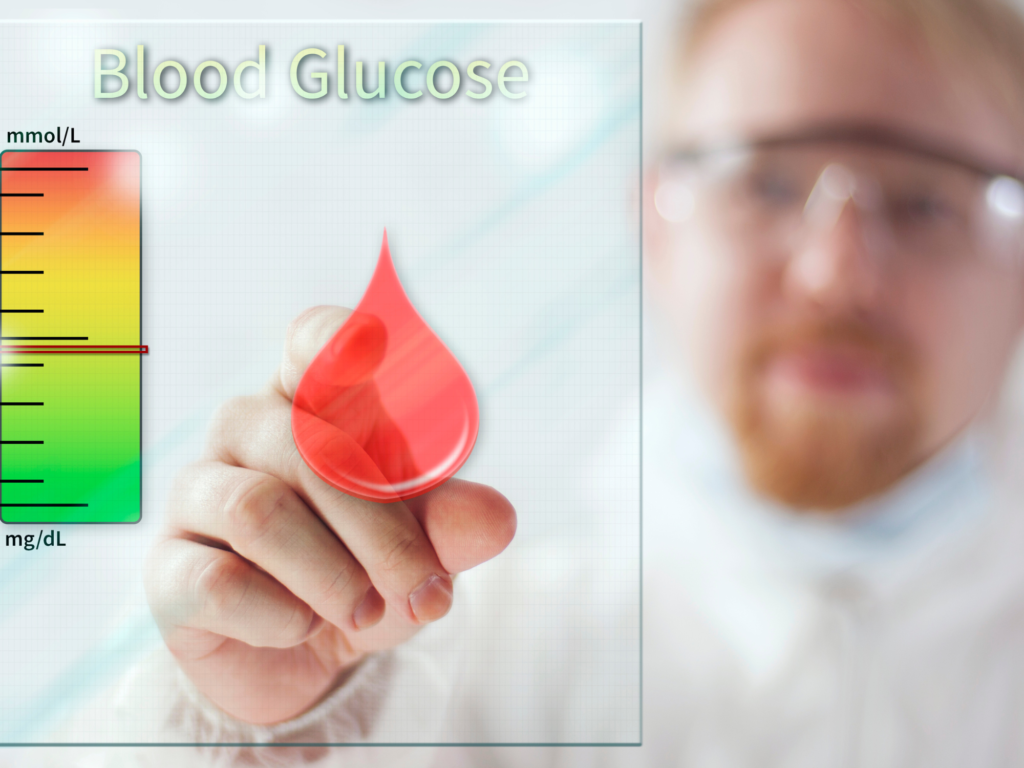
Blood sugar levels play a crucial role in hunger and energy management. Consuming high-protein meals can help stabilize blood sugar levels when paired with carbohydrates. The presence of protein slows down the absorption of glucose from carbohydrates, preventing rapid spikes and crashes in blood sugar levels.
Stable blood sugar levels contribute to improved energy levels, reduced sugar cravings, and better overall mood. By controlling these factors, protein aids in weight loss by minimizing the likelihood of impulsive snacking or binge eating, helping individuals adhere to their weight loss plan more effectively.
Conclusion – Role of Protein in Weight Loss
In conclusion, protein is an indispensable ally in the journey towards successful weight loss and overall well-being. Its ability to promote satiety, regulate appetite, boost metabolism, preserve lean muscle mass, and stabilize blood sugar levels makes it a critical component of any effective weight loss strategy. Its ability to boost metabolism, preserve muscle mass, control appetite, and aid in nutrient partitioning makes it an essential component of any successful weight loss strategy

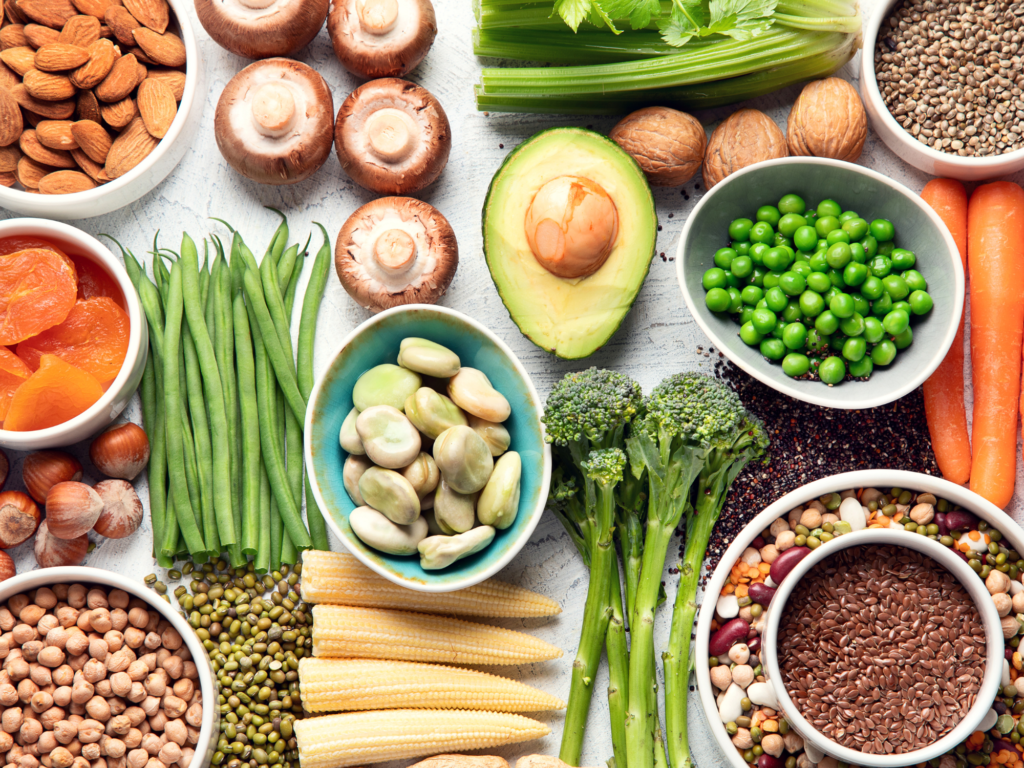
For those embarking on a weight loss journey, incorporating a variety of high-quality protein sources into their daily diet is crucial. Lean meats, poultry, fish, eggs, dairy products, legumes, nuts, and seeds are all excellent sources of protein. To maximize the benefits of protein, it is essential to strike a balance with other essential nutrients and maintain an overall healthy and balanced diet.
As with any significant dietary changes, it is advisable to consult with a healthcare professional or registered dietitian, especially for individuals with specific health conditions or dietary restrictions. Armed with the knowledge of protein’s importance, individuals can harness its potential to achieve their weight loss goals successfully and improve their overall quality of life.
Remember to consult with a qualified nutritionist or healthcare professional to determine the appropriate protein intake for your individual needs and embark on a healthy, well-rounded approach to fat loss.
You can Also Read Our Previous Blog on Dietitian vs Nutritionist: Understanding the Differences and Similarities