
Introduction of Amino Acids
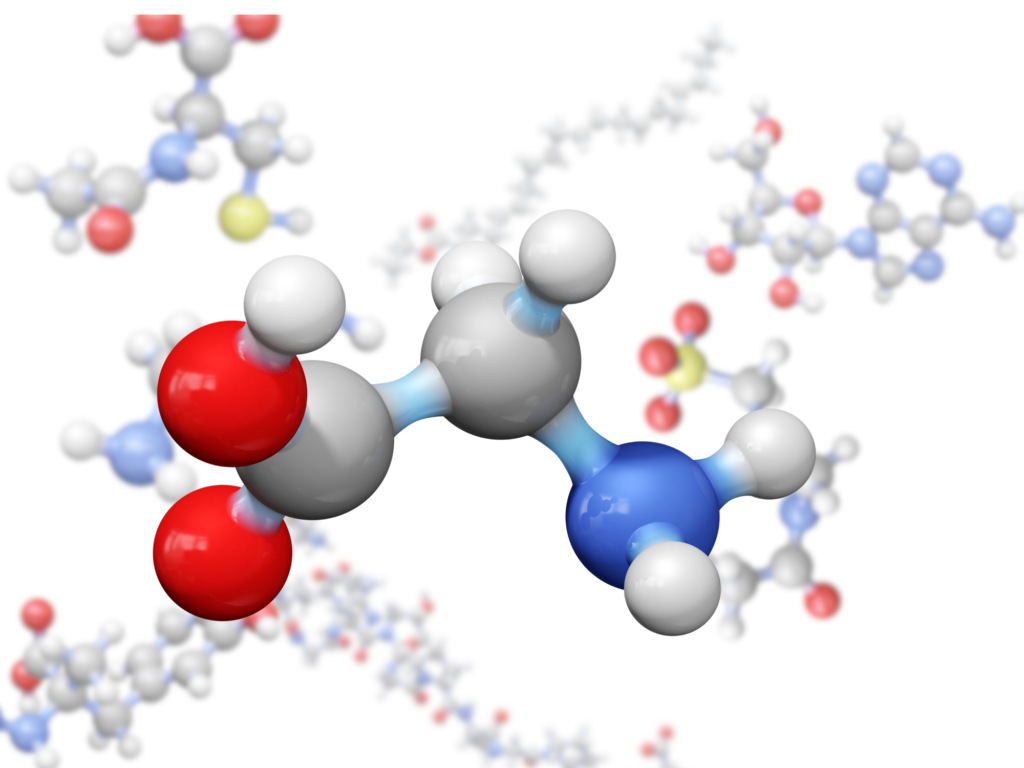
Amino acids are fundamental organic (carbon containing) compounds that play vital roles in numerous biological processes. From protein synthesis and energy production to immune system function and neurotransmitter regulation, these building blocks of life are crucial for understanding the molecular functioning of living organisms. In this article, we will delve into the fascinating world of amino acids, including their structure, classification, functions, and significance in human health an performance.
1. Amino Acid Structure:
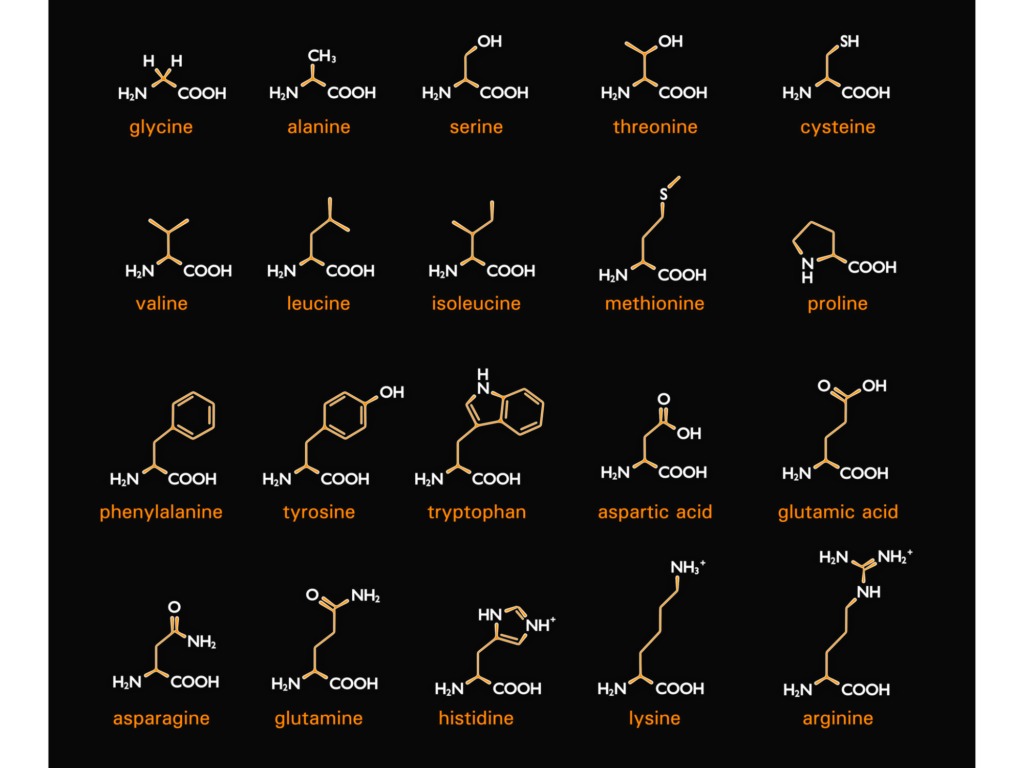
Amino acids consist of carbon (C), hydrogen (H), oxygen (O), and nitrogen (N) atoms. The basic structure of an amino acid includes an amino group (-NH2), a carboxyl group (-COOH), a central carbon atom (α-carbon), and a side chain (R-group). The R-group distinguishes each amino acid, imparting unique properties and characteristics.
2. Classification of Amino Acids:
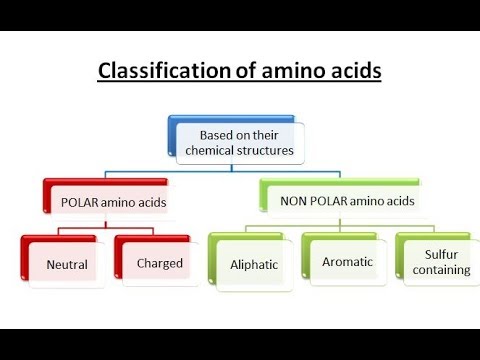
Amino acids can be categorized based on different criteria, with the most common classification being according to side chain characteristics:
a) Non-polar Amino Acids: These amino acids have hydrophobic R-groups, such as alanine, valine, and leucine. They are typically found in the interior of proteins, contributing to structural stability.
b) Polar Amino Acids: This category includes amino acids with polar, yet uncharged, R-groups likerine, threonine, and asparagine. Polar amino acids are crucial for maintaining protein solubility and participating in hydrogen bonding.
c) Charged Amino Acids: Amino acids with charged R-groups can be further divided into two groups:
i) Positively Charged (Basic) Amino Acids: Lysine, arginine, and histidine are examples of positively charged amino acids. They play important roles in enzyme catalysis and maintaining electrostatic interactions in proteins.
ii) Negatively Charged (Acidic) Amino Acids: Aspartic acid and glutamic acid fall into this category. They contribute to protein stability and participate in ion binding.
3. Functions of Amino Acids:
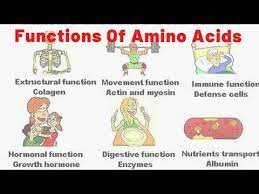
Amino acids serve a wide range of functions in living organisms:
a) Protein Synthesis: Amino acids are the building blocks of proteins. During protein synthesis, individual amino acids are linked together by peptide bonds, forming polypeptide chains that fold into functional proteins. The sequence and arrangement of amino acids determine the structure and function of the resulting protein. Among all essential amino acids Leucine is one of the most potent one when Muscle Protein Synthesis is considered which means building muscles in simple terms. Having said that other essential amino acids are not to be overlooked they also play a very crucial role without these one cannot experience muscle growth in fact without the essential amino acids a foof is considered to be incomplete.
b) Enzyme Catalysis: Certain amino acids within proteins act as catalysts, facilitating biochemical reactions in the body. Serine, for example, is essential for the catalytic activity of numerous enzymes. If a person is deficient in protein in his or her diet than he may also face many issues like digestive issues.
c) Neurotransmitter Regulation: Amino acids like glutamate, glycine, and gamma-aminobutyric acid (GABA) function as neurotransmitters in the central nervous system. They transmit signals between nerve cells and play vital roles in brain function.
d) Energy Production: When carbohydrates and fats are insufficient, amino acids can be broken down and used as an energy source through a process known as gluconeogenesis, which primarily occurs in the liver. However this is also must be taken into consideration that protein should not be used as energy as it is not the primary source, it is the secondary source instead and protein must be spared by the body for other numerous function that has to be carried out by protein and no one else. It is also true that without amino acid the energy in our body (ATP: Adenosine Triphosphate) will not be there but amino acids are required just to make a fraction of ATTP that to only Adenosine along with Ribose which is a sugar.
e) Immune System Function: Certain amino acids, such as glutamine and arginine, are critical for immune system function. They promote the growth and activity of immune cells, aiding in defense against pathogens. Our body’s 70-80% immune cells resides in the gastrointestinal tract.
4. Essential and Non-essential Amino Acids:
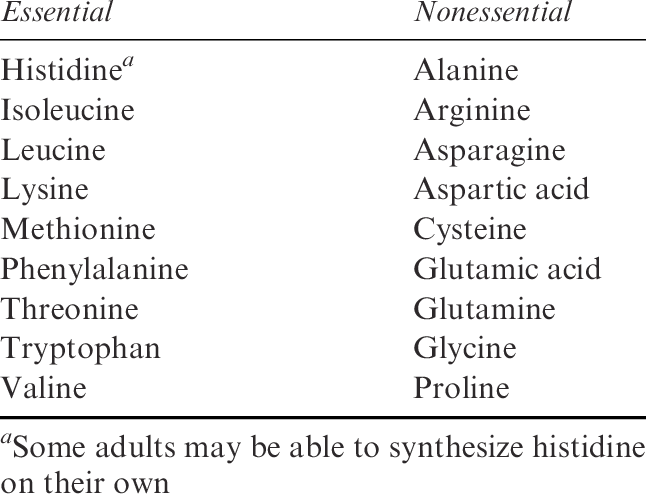
Amino acids can be categorized as essential or non-essential based on the body’s ability to synthesize them:
a) Essential Amino Acids: These amino acids cannot be synthesized by the body as there is no pathway to make it and must be obtained through the diet. Examples include lysine, leucine, and valine. Consuming a balanced diet that provides all essential amino acids is important for optimal health. There are total 9 amino acids in this category which are as follows: Tryptophan, ISO-leucine, Methoinine, Phenylalanine, Valine, Threonine, Histidine, Leucine and Lysine.
B) Non-essential Amino Acids: Non-essential amino acids can be synthesized by the body through various metabolic pathways. Examples include alanine, asparagine, and glutamine. There are total 11 amino acids.
Amino Acids and Human Health:
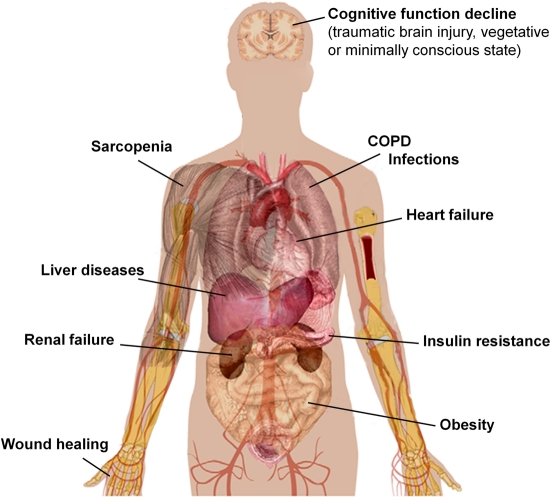
Amino acids play a critical role in maintaining overall health and well-being. Imbalances or deficiencies in amino acid intake can lead to various health issues:
a) Protein Malnutrition: Inadequate protein intake can result in protein malnutrition, leading to muscle wasting, a weakened immune system, and impaired growth and development.
b) Genetic Disorders: Some individuals may inherit genetic disorders affecting amino acid metabolism, leading to conditions such as Phenylketonuria (PKU) or maple syrup urine disease (MSUD).
c) Neurological Disorders: Alterations in neurotransmitter-related amino acids, such as serotonin and dopamine, have been implicated in neurological disorders like depression, schizophrenia, and Parkinson’s disease.
Conclusion:
Amino acids serve as the foundation of life, playing essential roles in numerous biological processes and maintaining optimal health. With their structural diversity and functional versatility, amino acids are key players in protein synthesis, enzyme catalysis, neurotransmission, energy production, and immune system function. Understanding the roles and significance of different amino acids provides valuable insights into the complexity of life at a molecular level. By appreciating the remarkable world of amino acids, we gain a deeper understanding of the intricate mechanisms governing our existence.