
What is Nutrition and Nutrients : Nutrients are essential components found in food that provide the body with the energy, substances, and building blocks necessary for growth, maintenance, and proper functioning. They play a crucial role in maintaining overall health and well-being. In this article, we will explore the different types of nutrients, their functions, food sources, and the importance of maintaining a balanced diet to ensure optimal health. Very often we come across to this word as the health and fitness professionals around us and the companies who have taken this hefty responsibility on their shoulders to provide us nutrient take this word into their account but the questions arises that do these people and entities really provide us with nutrient or not. We will be discussing these things later in near future that too in detail. Lets move ahead and learn what are nutrients and this understanding will help us to understand what is nutrition.

Basics Nutrition and Nutrients for human
Lets start with the basics nutrients for human is divided into 2 major group 1. Macro nutrient. 2. Micronutrient.
Macronutrients: These are those nutrient that we consume in larger quantities that is >10 grams because your body is composed of these nutrient in larger quantities. These are Protein, Fats and Carbohydrates.
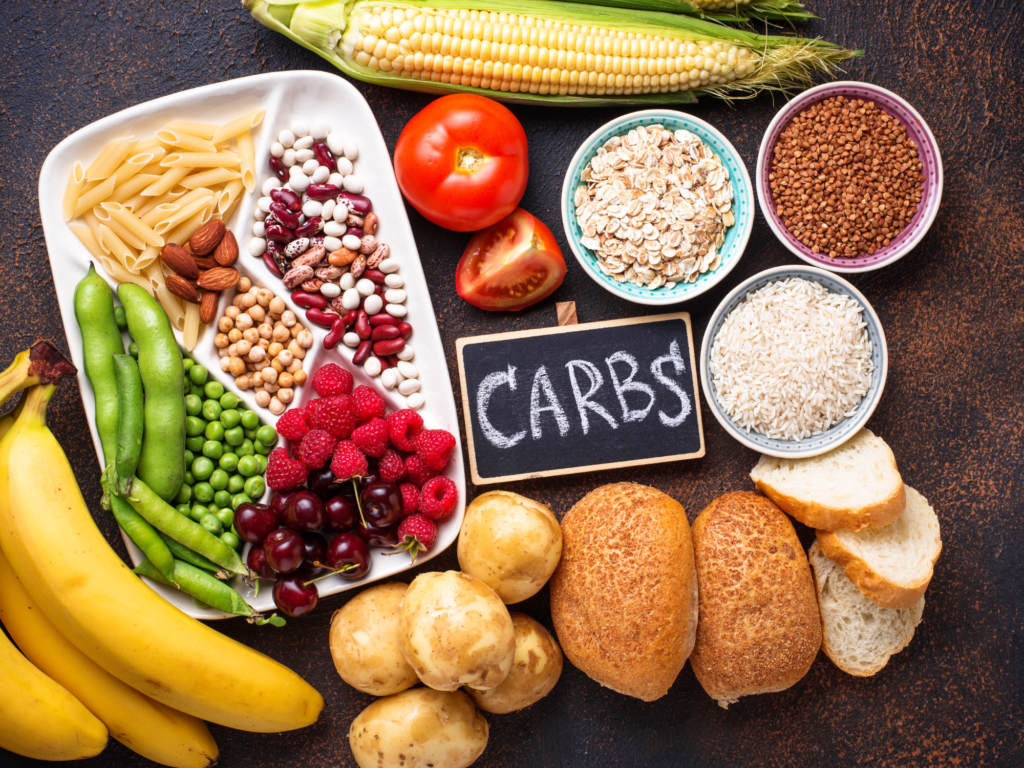
Carbohydrates: Carbohydrates are the primary source of energy for the body. They are divided into two categories: simple and complex. Simple carbohydrates, found in fruits and refined sugars, they provide quick bursts of energy. In contrast, complex carbohydrates, present in whole grains, legumes, and vegetables, release energy gradually, keeping you fueled for longer periods. Carbohydrates are the potent source of glucose and this glucose in turn provides energy (ATP: Adenosine Triphosphate) to our body for functioning.
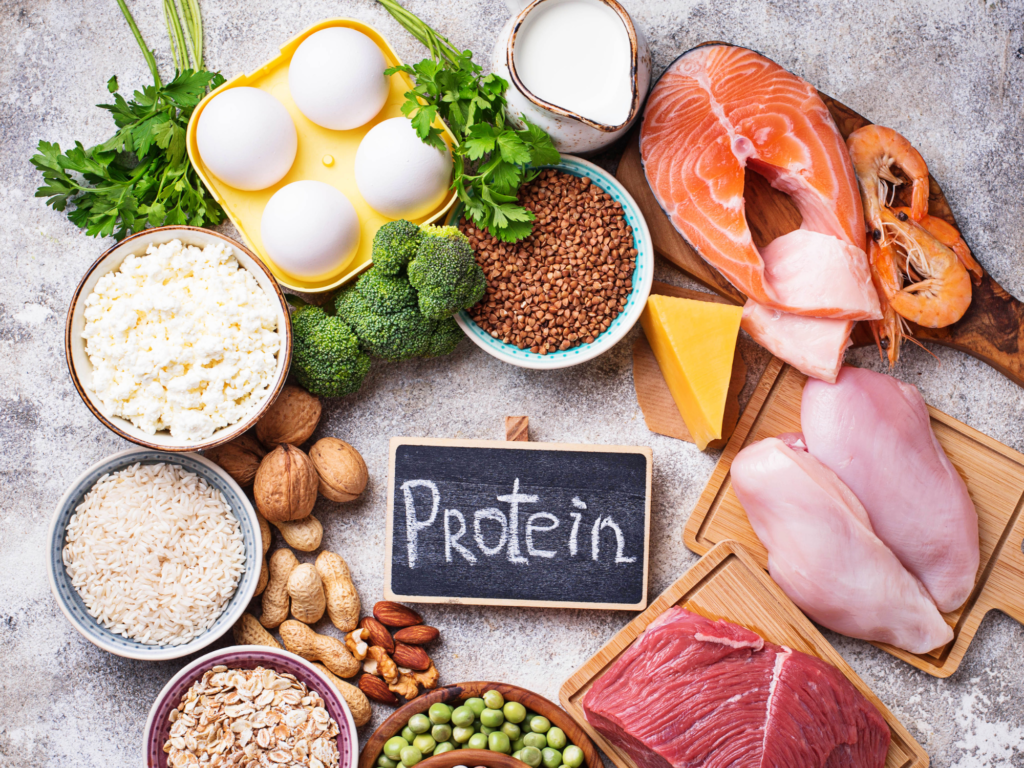
Proteins: Proteins are vital for growth, repair, and maintenance of body tissues. They are composed of amino acids, which the body needs to synthesize enzymes, hormones, and other molecules. Good sources of protein include meat, fish, poultry, dairy products, legumes, nuts, and seeds. Protein is technically least preferred by the body for energy as it has a lot of other vital functions to do and some of them are mentioned above and it is also not a calorie dense nutrient giving only 4 Kcal per gram.
Fats: Fats are essential for energy storage, cell structure, and the absorption of fat-soluble vitamins (A, D, E, and K). Unsaturated fats, found in olive oil, avocados, and nuts, are heart-healthy, while saturated fats, prevalent in red meat and dairy products, should be consumed in moderation. Trans fats, commonly found in processed and fried foods, should be avoided as they are detrimental to heart health and are the prime reason for atherosclerosis (plaque formation in blood vessels).
Micronutrients: These are those nutrients which we consume in less quantities i.e. <10 grams because our body is lest composed of these but only in quantum, if you think that they are less in quantity and hence we can overlook or ignore them then you should give it a second thought. They are may be less in quantity but are very important for your body functionality. These are Vitamins and Minerals

Vitamins : Vitamins are organic compounds (carbon containing) that support various biochemical processes in the body. They are divided into water-soluble (B-complex vitamins and vitamin C) and fat-soluble (vitamins A, D, E, and K). Each vitamin plays a specific role, such as promoting a strong immune system, aiding in vision, and supporting bone health. Sources of vitamins include fruits, vegetables, dairy products, all animal products and fortified foods.

Minerals: Minerals are inorganic elements that regulate numerous physiological functions, including bone health, nerve transmission, and fluid balance. Key minerals include calcium, iron, magnesium, zinc, sodium,and potassium. Dairy products, leafy greens, nuts, and whole grains are excellent sources of minerals.
Importance of a Balanced Diet
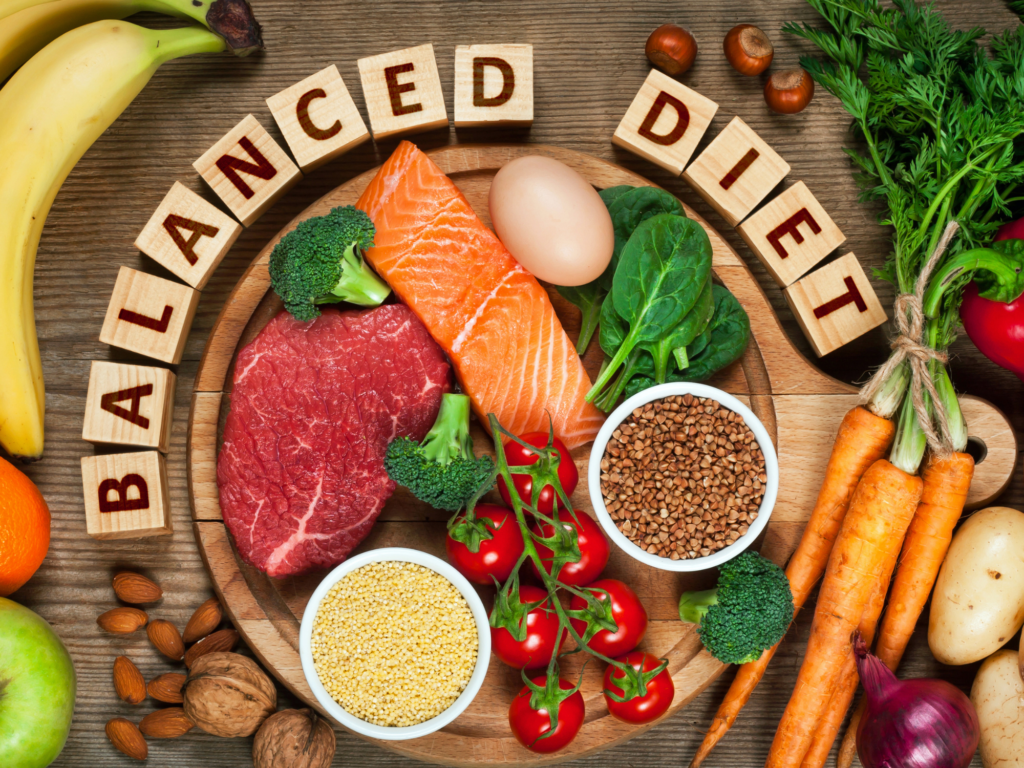
A balanced diet is essential to ensure that the body receives all the necessary nutrients in the right proportions. Consuming a wide variety of foods from different food groups ensures an adequate intake of macronutrients and micronutrients. A balanced diet can:
Support Growth and Development Proper nutrition during childhood and adolescence is crucial for growth and development. Nutrients like calcium and vitamin D are vital for building strong bones and teeth, while proteins are essential for muscle development.
Promote Overall Health A balanced diet can reduce the risk of chronic diseases such as heart disease, diabetes, and certain cancers. The antioxidants found in fruits and vegetables help combat oxidative stress and inflammation, contributing to overall well-being.
Enhance Cognitive Function Nutrients like omega-3 fatty acids and antioxidants play a role in brain health and cognitive function. They have been linked to improved memory, concentration, and mental clarity.
Sustain Energy Levels Consuming a combination of carbohydrates, proteins, and fats helps maintain steady energy levels throughout the day. Skipping meals or relying on unhealthy snacks can lead to energy crashes and poor productivity.
Nutrient Deficiencies and Excess

A lack of essential nutrients can lead to deficiencies, causing a range of health problems. For instance, iron deficiency can lead to anemia, while vitamin D deficiency can weaken bones and compromise the immune system. On the other hand, excessive intake of certain nutrients can be harmful. High sodium intake can elevate blood pressure, and excessive vitamin A consumption can lead to toxicity. These thing are also applicable to macronutrient as well like for example if you consume excess of carbohydrates then it will lead to insulin resistance which is the root cause for all diseases be it diabetes, blood pressure etc.
Conclusion
Nutrients are the backbone of a healthy diet and play a fundamental role in supporting overall health and well-being. To maintain a balanced diet, one should focus on consuming a variety of nutrient-rich foods, including fruits, vegetables, whole grains, lean proteins, and healthy fats. By understanding the importance of each nutrient and making informed food choices, we can ensure that our bodies receive the nourishment they need to thrive. Remember, a well-balanced diet is the key to a healthier and happier life.
Read Our Previous Blog on Amino Acids