
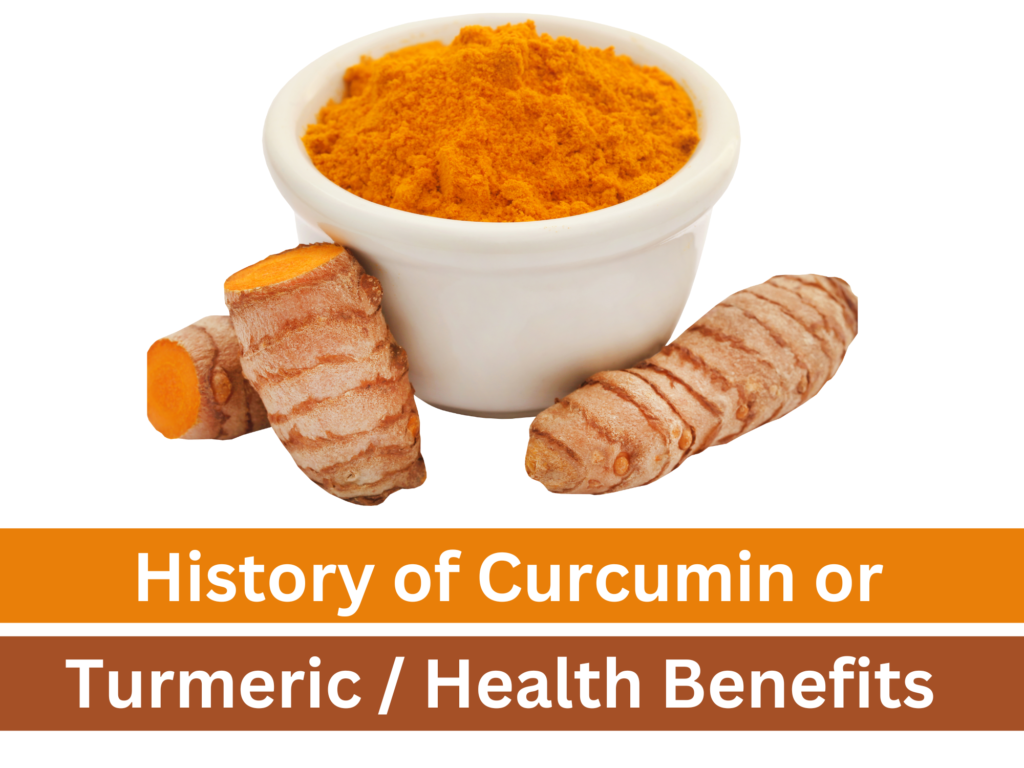
Curcumin is the vibrant, aromatic compound and an active ingredient of the dietary spice turmeric and has been consumed for medicinal purposes for thousands of years. It has drawn the attention of scientists, health enthusiasts, and culinary enthusiasts due to its remarkable health its polyphenol’s potential to modulate multiple signaling molecules, it has been reported to possess pleiotropic activities.
First shown to have anti-bacterial activity in 1949, curcumin has since been shown to have anti-inflammatory, anti-oxidant, pro-apoptotic, chemopreventive, chemotherapeutic, anti-proliferative, wound healing, anti-nociceptive, anti-parasitic, and anti-malarial properties as well. It was also found that curcumin was active against strains of Staphylococcus aureus, Salmonella paratyphi, Trichophyton gypseum, and Mycobacterium tuberculosis,
But where did this golden jewel of the spice world come? To understand the origin of Curcumin, we must embark on a journey through time and across continents.
Discovery of Curcumin
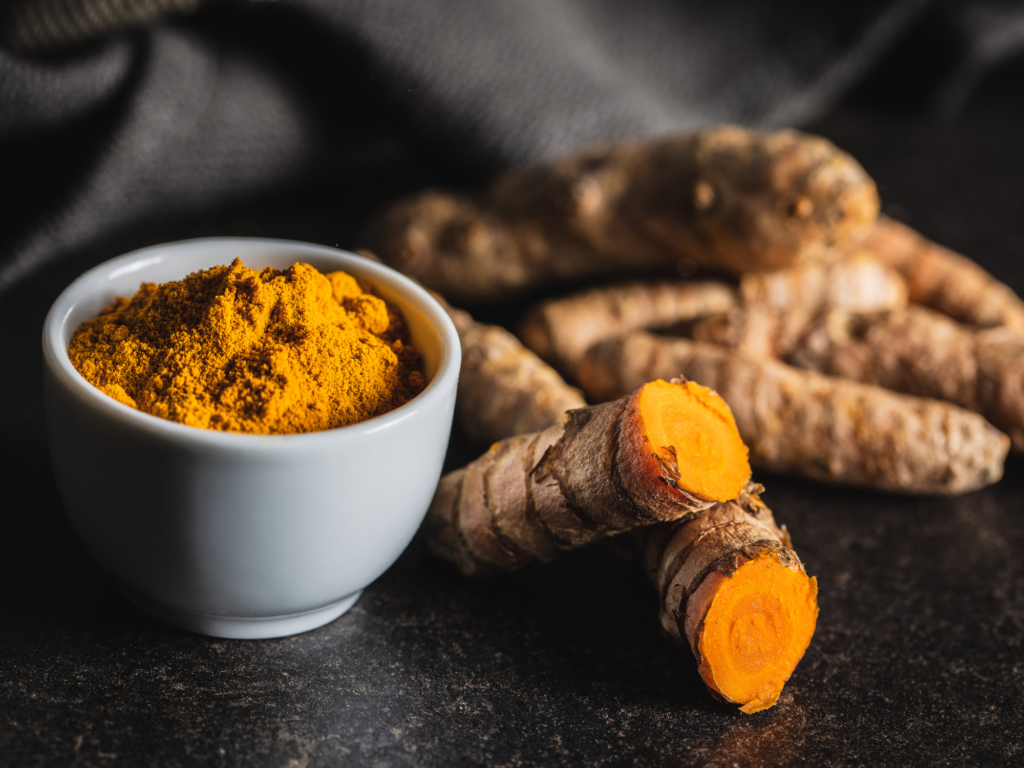
The discovery of curcumin dates to around two centuries ago when Vogel and Pelletier reported the isolation of “yellow coloring-matter” from the rhizomes of Curcuma longa (turmeric) and named it curcumin. In 1910 that Milobedzka and Lampe identified the chemical structure of curcumin as diferuloylmethane, or 1,6-heptadiene-3,5-dione-1,7-bis (4-hydroxy-3-methoxyphenyl)-(1E, 6E). Further work by the same group in 1913 resulted in the synthesis of the compound. Subsequently, Srinivasan separated and quantified the components of curcumin by chromatography.
Its and OLD Spice :
Turmeric reaches barely three feet in height and produces both a flower and a rhizome, or stem that is found underground turmeric (Curcuma longa) is a perennial herbaceous plant that belongs to the ginger family, Zingiberaceae. This plant is native to the tropical regions of South Asia, primarily India and Southeast Asia. While the history of turmeric’s cultivation can be traced back thousands of years, it is believed to have originated in India. Though it can now be found throughout the tropics, India has been the largest producer of turmeric since ancient times.
India: The Birthplace of Turmeric:
As mentioned above Curcumin has been in use in India since a long time or to be more specific more than 4000 years ago. It was and is an integral part of our cuisine and medicinal preparations as well its an inseparable part of Ayurveda to which everybody is bowing down to due to its efficiency
Ayurveda and Curcumin:
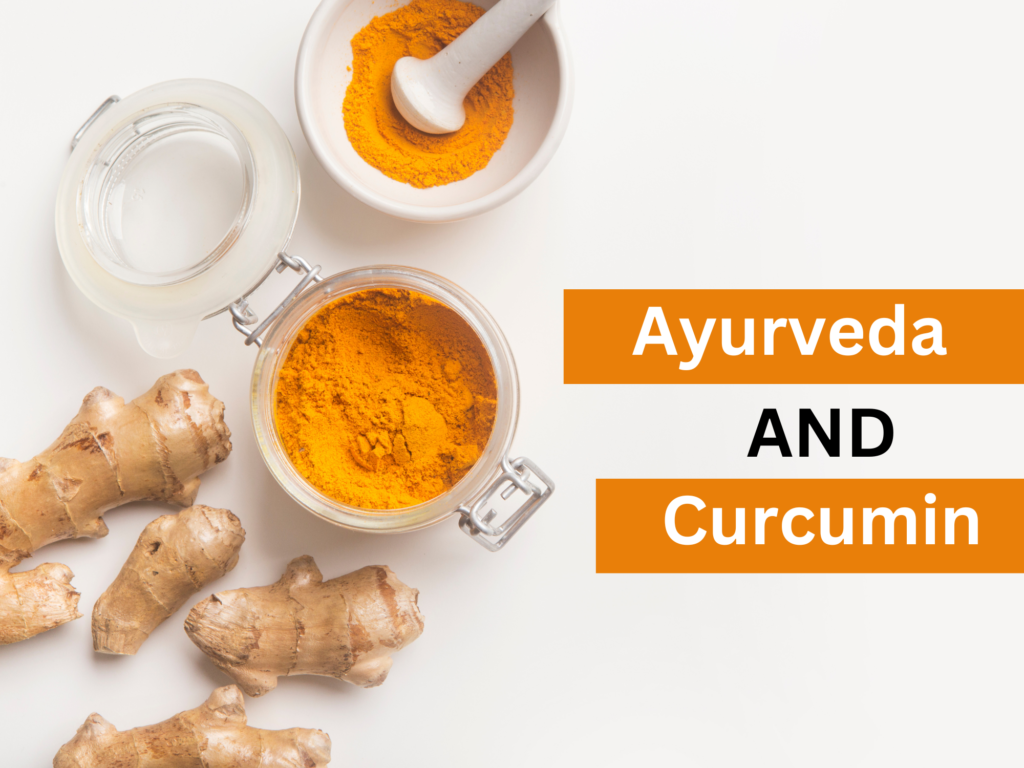
In recent years turmeric has attracted quite a bit of interest for its natural healing properties, but it has actually been used medicinally for over 4,500 years. Analyses of pots discovered near New Delhi uncovered residue from turmeric, ginger and garlic that dates back as early as 2500 BCE. Ayur meaning “life” and veda meaning “science” or knowledge.
Inhaling fumes from burning turmeric was said to alleviate congestion, turmeric juice aided with the healing of wounds and bruises, and turmeric paste was applied to all sorts of skin conditions from smallpox and chicken pox to blemishes and shingles. Ayurvedic literature contains over 100 different terms for turmeric, including jayanti, meaning one who is victorious over diseases, and matrimanika, meaning as beautiful as moonlight.
The Spice Trade and Beyond:
As the ancient spice trade routes expanded, so did the knowledge of turmeric. It made its way to other parts of Asia, the Middle East, and eventually to Europe. Turmeric became a valuable commodity in the spice trade, contributing to its global recognition.
Curcumin and Cancer:
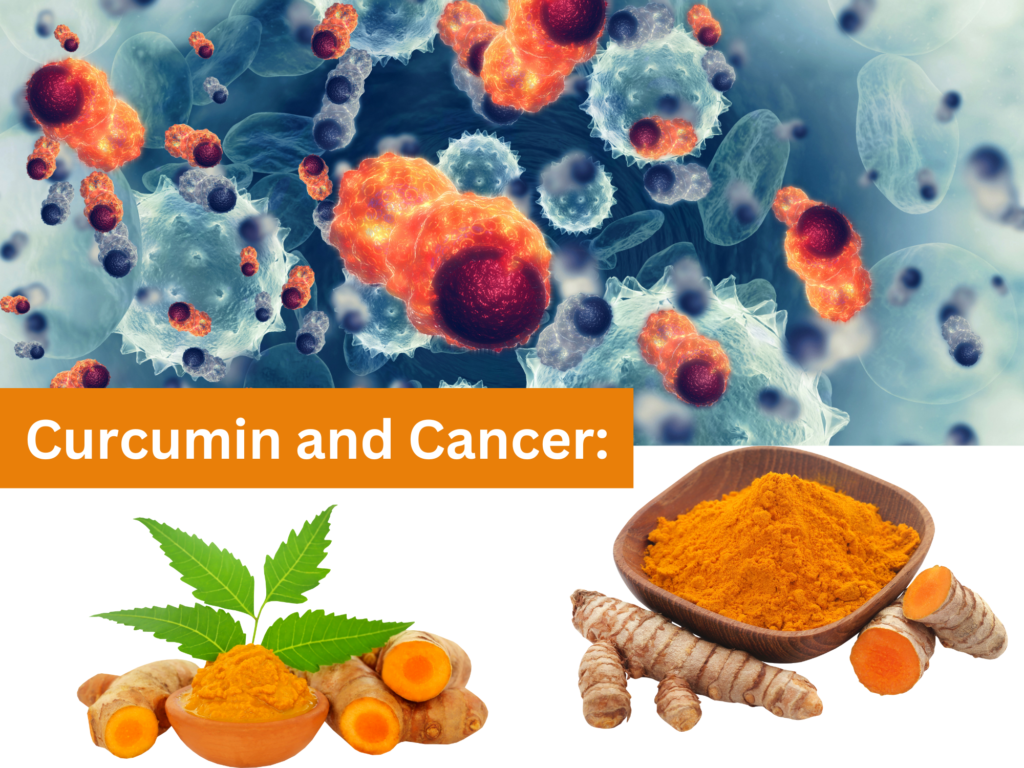
Results from early-phase trials of curcumin-containing products in the chemoprevention of colon, oral, and hepatic carcinoma appear promising. However, the findings from these early trials have to be confirmed in well-powered trials evaluating safety and effectiveness as indicated by modulation of clinical outcomes.
Culinary Traditions:
It is popularly called the “Indian saffron”. Indian curries, Thai and Indonesian dishes, and even Middle Eastern cuisine all incorporate the unique flavor and color of turmeric. Beyond its culinary uses, turmeric became an integral part of religious and cultural rituals in many societies.
Curcumin Supplements and Health Benefits:

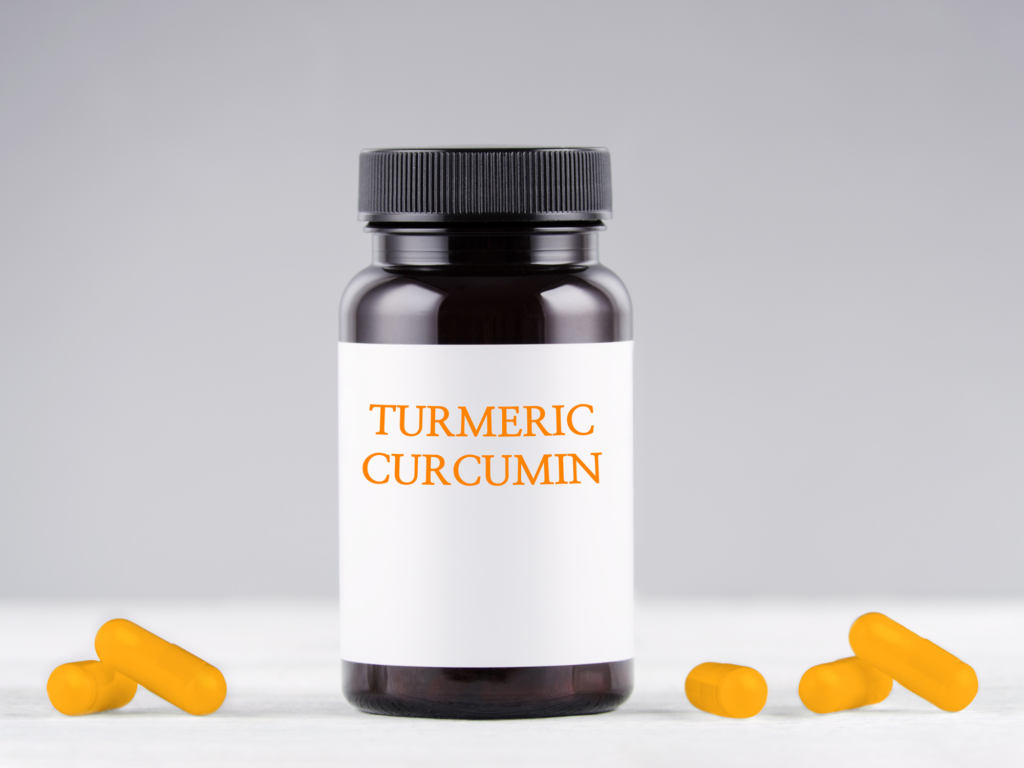
Today, curcumin supplements are widely available, allowing individuals to harness its potential health benefits conveniently. These benefits include potential anti-inflammatory effects, relief from joint pain, improved digestion, and even cognitive support.
It can be equally beneficial when consumed from food but when it is supplemented in the form of supplement its effect amplifies as it is available in concentrated form with high potency and efficacy. Lets have a look at the potency in food and supplement and its dosages along with that we will also see its positive effect after training.
As it is proven to have great anti-inflammatory properties. Inflammation of chronic kinds is rampant among people affected with metabolic syndrome. Thus, anything that work tangibly toward reducing inflammation should be an important part of an effective supplement stack.
Standard turmeric as a spice has 3% Curcumin thus, a gram (1 gram) Turmeric will yield 30 mg of curcumin. Standardized extract are 95% Curcuminoids thus, a gram of turmeric extract will yield 950 mg of curcumin.
Usershave reported significant reduction in pain. Most middle aged people are osteoarthritic and also suffer from chronically inflamed gastrointestinal tract .
Recovering from intense workout or endurance event such as marathon is all about resolving resultant acute inflammation. Supplementing with curcumin can enhance recovery by speeding up the process of dousing the inflammation.
The recommended dosage of curcumin can go upto 6grams per day in times of sustaining a musculoskeletal injury to speed up the healing process.
Conclusion:

At the end we can conclude curcumin as a magical spice which is gold like precious and having multiple functions and positive effect in your body. It can be traced back in time thousand of years ago and having a history and origination linked with India.
It can help in overcoming from many diseased and preventing them as well. From the point of view of fitness it has strong anti inflammatory property helping to overcome from musculoskeletal injury and enhance your performance. It is recommended to consume Curcuminoids extract up to the dosage of 6 grams per day. As we continue to uncover the secrets of this golden compound, it is clear that curcumin’s journey is far from over, and its story is still being written in the realms of science, medicine, and gastronomy.
Read Our Latest Blog on : Myelin Plays a Crucial Role